Get Marketing Insights First
Subscribe to receive actionable strategies, growth tips, and industry insights delivered straight to your inbox.

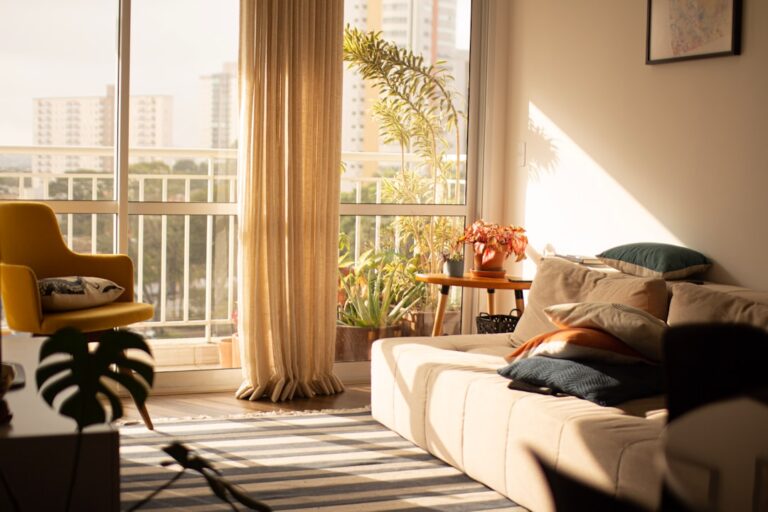
Wool throws, amber bulbs, and the textile layering approach that makes any room feel significantly warmer without a single structural change.
Warmth in a rental isn’t about the heating — it’s about the layering. Swap cool-toned bulbs for warm amber ones, add a chunky knit throw to every seating surface, and pile a few wool rugs to create that enveloping, pulled-together feeling that no thermostat setting can produce on its own, no matter how high you turn the dial or how much you spend on heating.
QUICK ANSWER
You can make a rental feel warm in winter without touching the thermostat by focusing on visual and tactile warmth — amber lighting, layered textiles, and rugs — rather than actual temperature. The brain reads warm colors, soft textures, and low, cozy light as physical warmth, which means a well-layered room can feel warmer than the thermostat setting alone would suggest. Most of the effect comes from the lighting change alone, so start there if you’re only making one adjustment before winter fully sets in and the heating bills start climbing.
Swapping every bulb in the apartment to a warm 2700K temperature is the single fastest way to shift a room’s perceived warmth. Cool white or daylight bulbs read as clinical and cold no matter how high the heat is set.
This swap costs very little and takes minutes, which makes it the highest-value change on this entire list relative to the effort involved, and it’s completely portable to your next apartment when your lease ends.
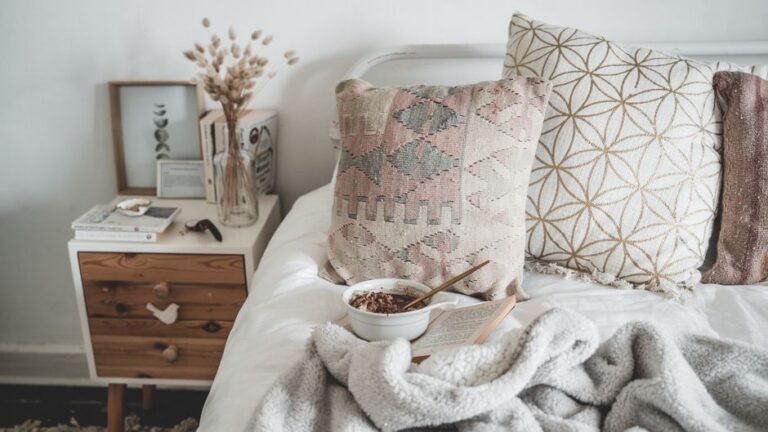
A chunky knit throw on the sofa, a wool blanket on a reading chair, and extra pillows all add visual and physical warmth to a room. Layer at least two textures so the space doesn’t feel one-note.
Wool and boucle in particular read as warmer than smooth cottons or synthetics, even before anyone touches them, simply because of how they catch and diffuse light.
Cold flooring is one of the biggest contributors to a room feeling chilly, regardless of the air temperature. A large wool or shag rug underfoot changes how a room feels the moment you walk in.
Heavier curtain panels, even hung on a simple tension rod, block window drafts and add another layer of insulation and softness. Closing them at night traps warmth and cuts down on morning chill.
A draft snake or rolled towel along the bottom of an exterior door adds another small but noticeable layer of warmth for almost no cost at all, and it takes minutes to put in place each evening.
QUICK TAKEAWAYS
A genuinely warm-feeling rental in winter has almost nothing to do with the thermostat setting — it’s built from light, texture, and a few deliberate layers you control completely. Start with the bulbs, and build outward from there as your budget and time allow, one layer at a time.
Get damage-free décor ideas, budget tips, and exclusive finds delivered to your inbox.
We respect your privacy. Unsubscribe anytime.