Get Marketing Insights First
Subscribe to receive actionable strategies, growth tips, and industry insights delivered straight to your inbox.

The Japandi bedroom is defined by a low-profile bed in natural wood, linen bedding in warm neutrals, deliberate editing of everything present, and lighting warm enough to feel like candlelight.
Quick Answer
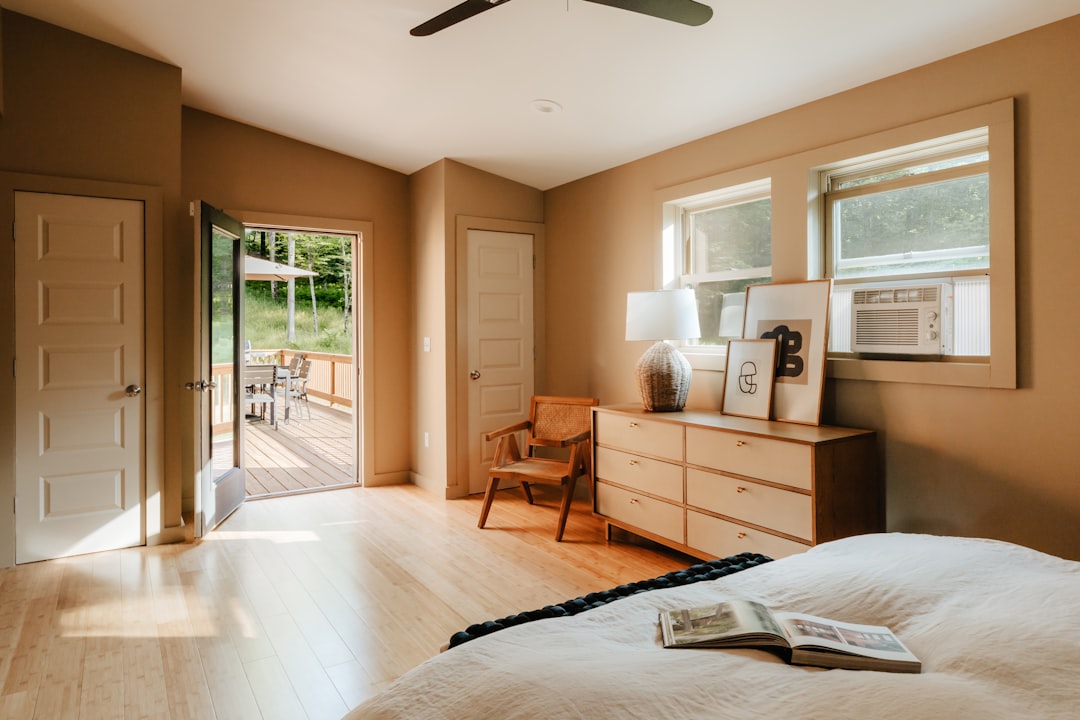
Japandi in the bedroom is the aesthetic of deliberate restraint — everything present has a purpose, everything chosen has texture, and nothing competes for attention. For renters, this translates to: a low-profile bed frame in warm wood or white, linen bedding in warm neutrals, one quality lamp, one meaningful object on the nightstand, and walls that are either bare or very quietly decorated. The editing is the design.
In This Article
Quick Takeaways
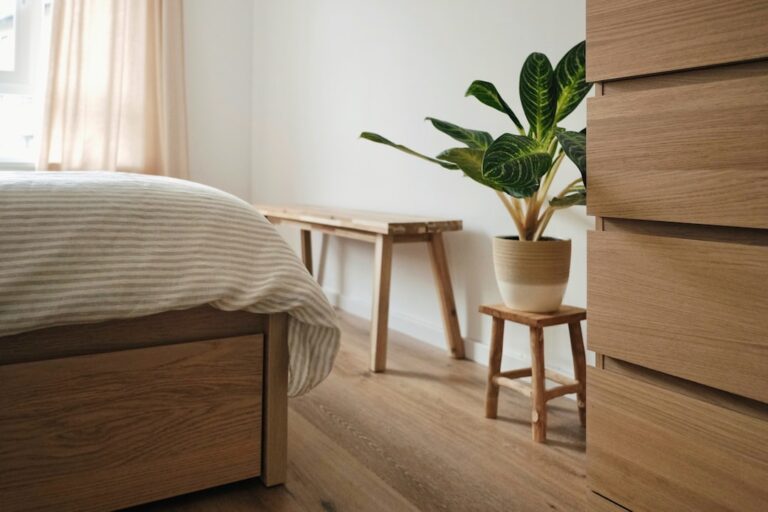
The bed is the room in a Japandi bedroom. Every decision radiates outward from it. The Japandi bed frame has a specific character: it is low to the ground (platform height, around 14-18 inches from floor to mattress top), has clean horizontal lines without ornamentation, and is made from natural materials — typically solid wood in a warm tone (ash, oak, light walnut) or a matte-painted wood finish in warm white.
What the Japandi bed frame is not: upholstered (too soft and domestic for the aesthetic), metal (too industrial), storage beds with lift mechanisms (though these are practical, the profile is too heavy), and anything with a carved or ornate headboard. The headboard, if present at all, is a clean horizontal slat design or a simple flat panel.

The Japandi bedding palette: warm white, warm linen grey, soft sage, muted blush, or deep charcoal. The texture: linen, washed cotton, or waffle weave — materials that look better with a few wrinkles than they do perfectly pressed. The styling: minimal layering. One fitted sheet, one duvet cover, two sleeping pillows, and two shams. Possibly a single throw blanket at the foot of the bed. No Euro shams. No decorative pillow towers. The bed should look like it could be made in ninety seconds.
The Japandi bedroom palette is warm and restrained. The walls are typically left in their rental neutral — this is a feature, not a limitation, because the Japandi palette harmonizes naturally with most landlord wall colors. What matters more than the wall color is the warmth of the light: Japandi bedrooms should be lit with warm-toned bulbs only. 2700K or lower. Nothing bright or cool-toned.
Lighting in a Japandi bedroom is always warm, always low, and always layered. A single overhead light source is never the Japandi approach. The nightstand lamp is essential. A corner floor lamp in a natural material — paper, rattan, or unfinished wood — is an excellent second source. Candles are the third layer and are fully on-brand: washi paper candleholders, ceramic votives, unscented pillar candles in neutral tones.

Japandi bedrooms are distinguished not just by what they contain but by what everything is made of. Natural materials are not optional — they are the primary sensory experience of the room. When you enter a well-executed Japandi bedroom, you notice the texture of the linen duvet, the warmth of the wood nightstand, the soft heft of a ceramic lamp base. These materials have a quality that no synthetic alternative replicates: they look more beautiful over time, not less.
Japanese interior design has a concept called ma — the meaningful use of empty space, the pause between things. It applies directly to nightstand styling. The Japandi nightstand is not empty, but it is close. The items on it are chosen for their physical quality as much as their function, and there are very few of them.
The Japandi nightstand contains: one lamp (ceramic or natural wood base, white or warm linen shade), one book (the book you are currently reading, not a decorative stack), and one object — a small ceramic dish, a single smooth stone, a miniature plant in a clay pot. That is the complete surface. Nothing else. The lamp is on a tray if the nightstand surface is wood that could be damaged by condensation; the tray is the same material as the nightstand.
Every rental bedroom has a Japandi version of itself waiting inside it. Getting to that version is primarily about removal. A Japandi bedroom does not add the aesthetic on top of an existing room — it removes what is interfering with it.
Japandi bedroom walls are either bare or very quietly occupied. The temptation to hang a gallery wall is understandable — and it is the single fastest way to exit the Japandi aesthetic. Gallery walls, however carefully curated, introduce visual complexity that conflicts with the essential quality of Japandi: the experience of visual quiet.
If you use wall art in a Japandi bedroom at all, it is one piece. One framed print — a botanical illustration, a simple abstract, a black-and-white photograph — hung at the right height (center at eye level, approximately 57-60 inches from the floor). Or a single small woven textile hung flat. Or nothing. All three approaches are valid. Two of them are Japandi. The gallery wall is not.
It doesn’t have to be, but a lower profile is strongly preferred. If your rental came with a tall bed frame, you can still approach Japandi by focusing heavily on the bedding, materials, and editing. A low-slung IKEA platform base like the MALM low version approximates the Japandi profile at a budget price.
Yes, if the color is in the warm neutral range — greige, warm white, sand, pale sage. If the walls are a saturated color that came with the rental, lean into the editing and materiality more heavily: warm wood tones, linen textiles, and natural objects will bring the room toward Japandi even with a non-ideal wall color.
Japandi is actually particularly well-suited to shared bedrooms because its restraint prevents the accumulation of two people’s decorative preferences competing for space. Agree on the palette and the materials — specifically the bedding and the nightstands — and the room resolves itself. Give each person one nightstand and full autonomy over what is on it.
Warmth in a Japandi bedroom comes from the light and the materials, not from more objects. Ensure your lighting is warm-toned (2700K) rather than cool. Add a heavyweight linen or wool throw to the foot of the bed. Include at least one plant. Use a natural fiber rug. These are the warmth layers; they prevent the sparse from reading as cold.
Get damage-free décor ideas, budget tips, and exclusive finds delivered to your inbox.
We respect your privacy. Unsubscribe anytime.