Get Marketing Insights First
Subscribe to receive actionable strategies, growth tips, and industry insights delivered straight to your inbox.

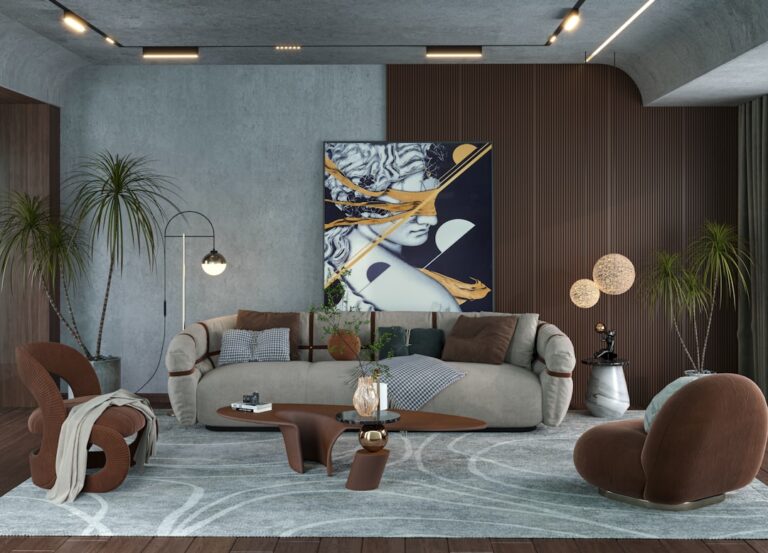
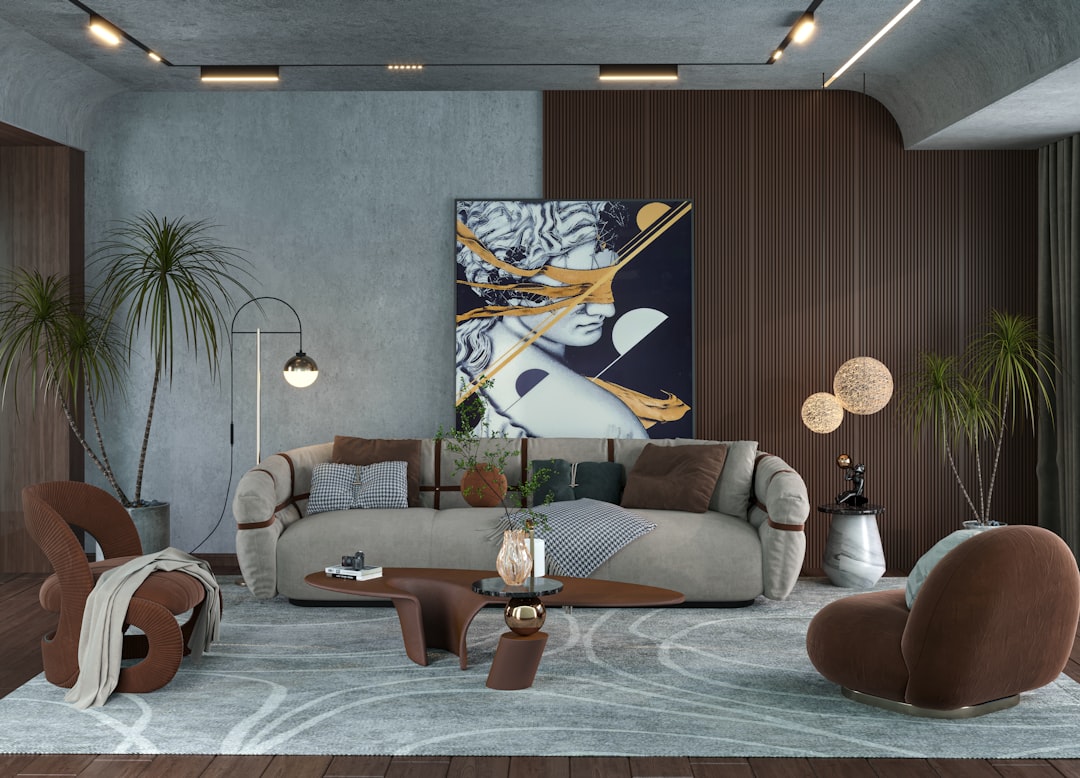
Modern apartment decorating is built on restraint: clean-lined furniture with exposed legs, a near-achromatic palette with one warm accent, layered textures for depth, and the discipline to edit rather than accumulate.
Quick Answer
Modern apartment decorating for renters works when it commits to a point of view: clean lines, a controlled palette, intentional materials, and restraint in what gets displayed. The modern renter’s advantage is that the aesthetic does not require built-ins or renovation — it requires editing, a few well-chosen pieces, and the discipline to stop before the room becomes busy.
In This Article
Quick Takeaways
Modern interior design is not a synonym for contemporary or trendy. It refers to a specific aesthetic tradition — mid-century modernism and its descendants — defined by the honest use of materials, rejection of unnecessary ornamentation, and design that serves function. For renters, this is a practically useful definition because it clarifies what to buy (functional, well-made, clean-lined) and what to avoid (decorative excess, trend-based pieces, cluttered surfaces).
Modern design also ages extraordinarily well. A well-chosen modern sofa, dining table, and lighting fixture will look appropriate in five years, ten years, and twenty — unlike trend-based aesthetics that require replacement when the trend passes. This is a meaningful consideration for renters who carry furniture from one apartment to the next and need pieces that work in multiple contexts.

The modern palette is built on a near-achromatic foundation: white or warm white walls (inherited from the rental), grey in multiple shades (light to charcoal), warm black as an anchor, and natural wood as the warmth element. The accent, if used at all, is one color — typically a muted warm tone (terracotta, olive, deep rust) or a cool accent (slate blue, forest green) used in very small doses.
The key to making a modern palette feel warm rather than clinical is the quality of the neutrals. Warm white reads differently from cool white. Warm grey differs from blue-grey. Choose neutrals with yellow or red undertones (warm) rather than blue or green undertones (cool) and the palette will feel considered and livable rather than institutional.
Modern furniture has three defining characteristics: exposed legs (furniture that sits flush to the floor reads as heavy and informal by comparison), clean lines without ornamentation (no tufting, no carved details, no ornate hardware), and materials that are honest about what they are (solid wood that looks like wood, metal that looks like metal, leather that looks like leather).

The most common failure mode of modern interiors — rental or otherwise — is coldness. A palette of white, grey, and black without textural variation produces a room that photographs well but does not feel lived-in or warm. Texture is the solution, and it does not require color.
A concrete or stone-effect object (a planter, a side table base, a decorative bowl) reads as modern while adding visual mass. A leather cushion or throw with visible grain adds warmth and patina. A plaster or linen lampshade diffuses light rather than directing it harshly. A natural fiber rug in a tone-on-tone pattern adds softness underfoot while remaining within the modern aesthetic. Each of these contributions is textural, not colorful — which means they integrate seamlessly with the achromatic palette.
Modern design treats lighting as an architectural element, not an afterthought. In a rental, where you cannot move switches or add recessed lighting, this means working with portable light sources that have strong, considered silhouettes — a sculptural arc floor lamp, an industrial pendant on a cord over the dining table, a geometric table lamp on a side table.
The single most impactful modern lighting addition for a renter: a pendant light hung over the dining table via a pendant cord kit (which simply plugs into an existing outlet and is secured to the ceiling with an adhesive hook rated for the lamp’s weight). A well-chosen pendant over the dining table signals architectural intention even in a rental.
Modern interiors operate on a principle that translates usefully to rental contexts: if you can remove something and the room still works, remove it. This is not minimalism — modern spaces can have bookshelves and objects and layered textiles. But every element should pass the test of earning its presence.
Apply this rule to every horizontal surface in the apartment: countertops, coffee tables, nightstands, shelves. The goal is not emptiness but intention. A coffee table with a single artfully stacked pair of books, a ceramic bowl, and a small plant is a modern coffee table. The same table with a pile of remotes, three decorative items of different styles, two candles, and a half-read paperback is an accumulation.
Layer textures rather than adding colors. A natural wood dining table, a linen sofa, a jute rug, and leather throw pillows all read within a modern palette while adding significant warmth. Warm-toned light bulbs (2700K) are equally essential — cool lighting makes even warm materials read clinical.
The KALLAX shelving (in white or black-brown), LACK floating shelves, ALEX drawers in white, LISABO dining table, and POÄNG chair all translate well into a modern aesthetic when selected and styled intentionally. The key is to integrate these with non-IKEA pieces so the result reads as curated rather than as a catalog.
Yes — in fact, modern furniture often looks better in older apartments than in newer ones because the contrast between period architecture and clean-lined furniture is inherently interesting. Do not try to hide or mask the moldings; instead, paint them the same color as the walls so they recede, and let the modern furniture stand against that neutral backdrop.
Count the objects on your shelves and tables. For a modern living room, three to five meaningful objects total — not counting books or plants — is the right range. Each object should have a clear reason for being there: it is beautiful, it is meaningful, or it is textured in a way that contributes to the room’s sensory quality.
Get damage-free décor ideas, budget tips, and exclusive finds delivered to your inbox.
We respect your privacy. Unsubscribe anytime.