Get Marketing Insights First
Subscribe to receive actionable strategies, growth tips, and industry insights delivered straight to your inbox.

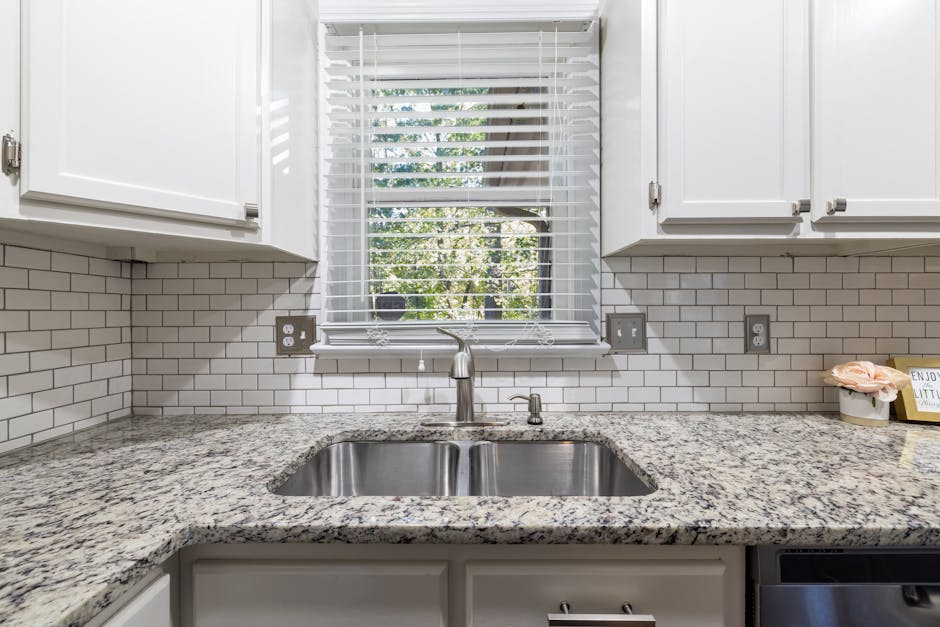
A dated or bare kitchen backsplash is one of the fastest things to fix in a rental, and peel-and-stick options have improved enough that the right choice can be genuinely hard to distinguish from real tile or metal. With so many finishes now available, the harder decision is usually which style fits your kitchen rather than whether the product itself will hold up over the length of your lease, since most quality options now do.
QUICK ANSWER
The main peel-and-stick backsplash options are vinyl composite tile, metallic and mosaic-style sheets, and gel-based faux tile panels, each varying in durability, heat resistance, and price. For areas directly behind a stovetop, prioritize products explicitly rated for heat and easy wipe-down; for lower-traffic zones, budget options perform just as well at a fraction of the cost. Picking the right material for the specific zone behind your stove versus elsewhere matters more than picking a single product for the whole kitchen at once, since needs genuinely differ zone to zone.
IN THIS ARTICLE
Vinyl composite sheets offer the most realistic texture and depth of the peel-and-stick options, with a slight dimensionality that catches light similarly to real tile. They typically install in large sheets rather than individual tiles, reducing the number of seams.
Higher-quality vinyl composite products hold up well to daily wiping and moderate heat, making them a strong choice directly behind a stovetop.
Because these come in large sheets, measure your total wall area carefully before ordering — sheets are harder to piece together seamlessly than individual tiles if you run short mid-project and need to reorder.
Store any leftover sheet material flat rather than rolled, since rolled leftovers can develop a curl that makes future touch-up repairs noticeably harder to install cleanly.
Metallic peel-and-stick sheets, often in copper or stainless finishes, add a distinct visual statement and work particularly well in smaller kitchens where a bold backsplash can serve as the room’s focal point.
Mosaic-style sheets replicate the look of individually set tile without the labor, though pattern repetition can be more visible up close than with true vinyl composite options.
Both finishes tend to show fingerprints and water spots more readily than matte vinyl composite, so factor in a slightly more frequent wipe-down routine if you choose either one.
Gel-based tiles have a soft, slightly raised texture that mimics real ceramic more closely than flat vinyl. They’re a good middle-ground option, though they tend to be less heat-resistant than composite vinyl, so keep them a few inches further from direct stovetop exposure.
Their flexible surface also makes them a reasonable choice for slightly uneven walls, where a rigid tile sheet might not sit as flush against the surface underneath.
Always check the manufacturer’s heat rating before installing any peel-and-stick product directly behind a stove or range. Products not explicitly rated for heat can warp, discolor, or lose adhesion over time in that specific zone.
Areas with heavy moisture exposure, like directly around a sink, benefit from a product specifically marketed as water-resistant rather than simply wipeable, since the two ratings aren’t always the same thing.
Clean and fully dry the wall before applying any backsplash product, and work from a level, centered starting line rather than a corner to avoid compounding measurement errors across the wall.
Order slightly more material than your measured square footage to account for cuts around outlets and edges, since matching a discontinued print later can be difficult.
Peel-and-stick backsplash generally removes cleanly when pulled slowly at a low angle, but budget time to address any adhesive residue with warm water or a gentle adhesive remover before your move-out inspection.
QUICK TAKEAWAYS
A backsplash upgrade is one of the highest-impact, lowest-risk changes available to renters — choose the right material for your specific wall, and it can look genuinely built-in for the length of your lease, with nothing left to patch when you eventually take it down and move on to the next place.
Get damage-free décor ideas, budget tips, and exclusive finds delivered to your inbox.
We respect your privacy. Unsubscribe anytime.