Get Marketing Insights First
Subscribe to receive actionable strategies, growth tips, and industry insights delivered straight to your inbox.

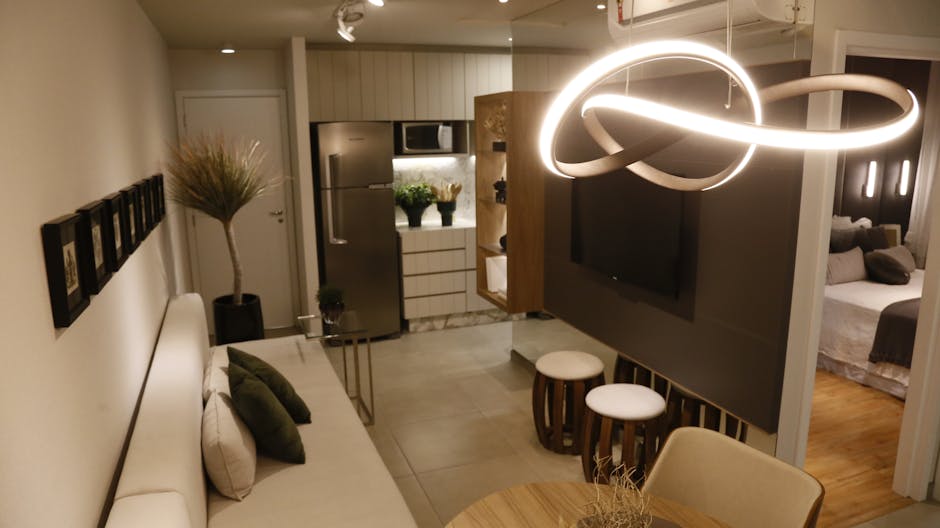
A small living room can feel cramped or genuinely spacious depending entirely on layout — not square footage. The right furniture arrangement, scaled correctly and positioned with intention, can make a tight rental living room feel considerably larger without removing a single piece of furniture or knocking down any walls.
QUICK ANSWER
The best layout strategies for a small living room include floating furniture away from walls to create better flow, choosing appropriately scaled pieces, and using visual anchors like rugs to define zones without physical dividers. Pulling furniture off the walls, counterintuitively, tends to make small rooms feel larger, not smaller. The scale of your pieces matters just as much as their placement, so start there before rearranging anything you already own.
IN THIS ARTICLE
Pulling your sofa even a few inches off the wall creates a sense of intentional space rather than a room where furniture is simply pushed aside. This small change often has an outsized visual impact.
Leave enough walking clearance, roughly thirty inches, around the main traffic path through the room. A room that flows well always reads as larger than one where visitors have to navigate around furniture.
If floating the sofa fully isn’t possible in your specific layout, even angling it slightly away from a perfectly flush wall position can create the same softening effect.
Oversized furniture is one of the most common reasons small living rooms feel cramped. A loveseat or apartment-sized sofa often serves the space better than a full three-seat sofa designed for larger rooms.
Exposed, tapered furniture legs also read as lighter than boxy, skirted bases, letting more floor visually show through and making the whole room feel more open.
In an open-plan or combined living space, a rug sized to fit under at least the front legs of your main seating pieces visually defines the living area without a physical divider.
A rug that’s too small, floating in the middle of the seating area with no furniture touching it, tends to make the whole arrangement look accidental rather than planned.
Tall, narrow shelving units use floor space efficiently while adding storage and display area a small room usually lacks. This keeps surfaces like coffee tables clearer, which also helps the room feel less cluttered overall.
Position taller furniture pieces away from doorways and the room’s main sightline. A clear view across the room from the entry makes a small space read as considerably larger than it measures.
Mirrors placed opposite a window extend this effect further, reflecting light and the room’s existing depth back into the space rather than simply decorating a bare wall.
A storage ottoman, a nesting coffee table set, or a console that doubles as a media stand all reduce the total number of pieces needed in the room, which directly opens up floor space.
QUICK TAKEAWAYS
A small living room doesn’t need less furniture — it needs the right furniture, scaled and placed with real intention. A weekend spent rearranging what you already own, guided by these principles, will do more than any single new purchase, and none of it requires touching a wall or calling your landlord.
Get damage-free décor ideas, budget tips, and exclusive finds delivered to your inbox.
We respect your privacy. Unsubscribe anytime.
